
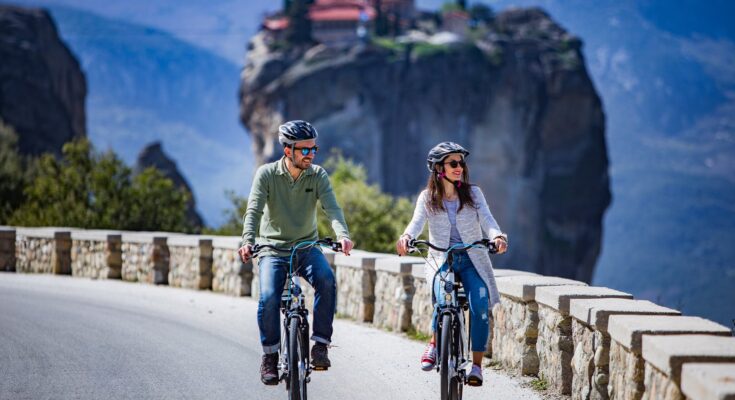
Explore top Greece tours and activities: guided historical walks, island hopping, and food experiences. Find your perfect Greek adventure.
Greece has a way of getting under your skin. Maybe it’s the light, that golden Aegean glow that makes every ruin and coastline look like a postcard. Or maybe it’s the way a local taverna owner insists you try “just one more” plate of grilled octopus before you leave.
Whatever the reason, we’ve seen travelers come back year after year. We completely understand why.
We are a team rooted in Greece. Our founder, Yannis Divramis, grew up between Milos and Santorini, and he still visits Athens monthly. We know these islands and ancient sites the way most people know their own neighborhoods.
Every summer, we spend at least a month island hopping through places like Lefkada, Corfu, Crete, Skiathos, and beyond. That firsthand experience shapes all we suggest for Greece tours. For more ideas, explore Greece tours and Tours In Greece.
In this guide, we break down the top Greece tours and activities for 2026. They range from expert-led walks through the Acropolis to hidden islands most people never hear about.
Maybe you’re a history buff or a foodie, or you just want to sail the Aegean with a glass of wine in hand. Either way, there’s something here for you.
Why Greece Remains A Must-Visit Destination For Travelers
Let’s be honest, plenty of countries claim to have “something for everyone.” Greece actually delivers on that promise. It has 18 UNESCO World Heritage Sites, including the Acropolis, Mycenae, Meteora, and Epidaurus. The country is an open-air museum, from the mainland to the farthest Cycladic island.
But it’s not just history that keeps pulling people back. Greece offers a rare mix of mythology, world-class beaches, dramatic mountain scenery, and food that rivals anything in the Mediterranean.
You can stand where the oracle of Delphi once spoke in the morning and be swimming in turquoise water by afternoon. That range is hard to find anywhere else, which is why Greece tours suit so many travelers.
Greek culture also has a warmth that is hard to overstate. Locals don’t just put up with tourists. They welcome them into their homes, their kitchens, and their stories. We’ve personally seen this hundreds of times, from remote Mani Peninsula villages to busy Athenian neighborhoods.
For 2026, Greece continues to expand its tourism services while keeping the real character that makes it special. New ferry routes, better airport connections, and a growing network of boutique places to stay make Greece tours easier than ever. You can explore both famous landmarks and off-the-beaten-path places.
See more Greece tours:
- Meteora Greece: Explore Meteora Monasteries & Unforgettable Meteora Tours
- Milos Travel: The Ultimate Guide to Milos, Greece
- Mycenae Tours: Experience Legendary Archaeological Site
- Mykonos Greece: The Absolute Guide To Survive
- Mystras Tours: Uncover the Mysteries of Mystras with a Byzantine Castle Tour
- Naxos Greece: The Ulitmate Guide & Incredible Things to Do
- Nisyros
- Paros Greece Travel Guide: Things to Do in Paros, Explore Paros Island
- Patmos
- Paxi Antipaxi Tours: Explore Paxos and Antipaxos – Experience Paxos Tours & Antipaxos Tours
- Pelion Greece: The Ultimate Pelion Travel Guide
- Poros


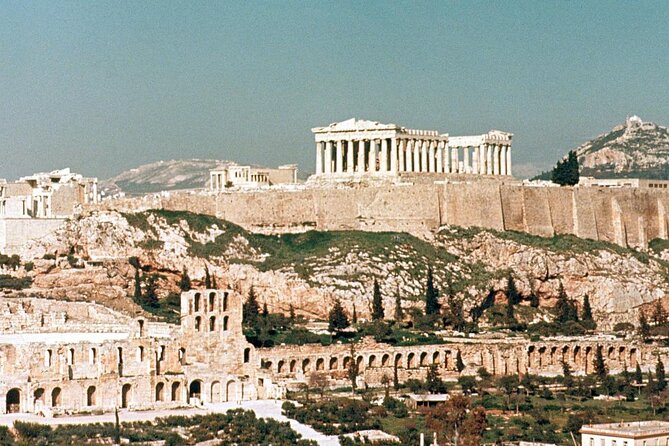
Guided Historical Tours Through Athens And Ancient Ruins
Athens alone could fill a week of exploring, and that’s before you even leave the city limits. The Greek mainland is packed with historic sites that span thousands of years, from Mycenaean citadels to Byzantine fortresses.
Guided Greece tours make these places come alive in ways a guidebook can’t. A knowledgeable local can explain why a column angle mattered to ancient architects. They can show how the acoustics at the Epidavros theater still work perfectly today. That turns a sightseeing stop into a real lesson.
Popular companies like Rick Steves, Expat Explore, and Trafalgar all offer structured packages for Greece tours. But we’ve found the most memorable trips come from smaller, locally guided options that adapt to your interests. At My Greece Tours, we connect you with expert guides who live and breathe this history daily.
The Acropolis And Beyond: Walking Tours With Local Experts
No trip to Greece starts without the Acropolis, and honestly, it deserves the hype. Walking up to the Parthenon as the morning light hits the marble is one of those moments that sticks with you.
But a good walking tour doesn’t stop at the hilltop. The Ancient Agora, the winding streets of Plaka, and the Acropolis Museum all add important layers to the story.
We always suggest tours led by local experts who can take you beyond the standard route. Some of the best Greece tours extend into the Peloponnese.
Think of Mystras, with its hauntingly beautiful Byzantine ruins, or the Lion Gate at Mycenae. These day add-ons turn a city visit into a real journey through history.


Delphi And Meteora Day Trips From Athens
Delphi and Meteora are two of the most awe-inspiring day trips you can take from Athens. They are often combined into multi-day trips through Kalabaka.
Delphi sits on the slopes of Mount Parnassus. Ancient Greeks considered it the center of the world. Standing in the sanctuary where the oracle once gave prophecies is genuinely surreal.
Meteora is a different kind of breathtaking. Massive rock pillars rise up, topped with centuries-old monasteries that seem to defy gravity. Many Greece tours also include a stop at Thermopylae, where the famous Spartan battle took place.
The drive itself is stunning, winding through central Greece’s rugged landscape. We suggest setting aside a full day for each site rather than rushing through both in one trip. You’ll thank yourself later.
Island-Hopping Adventures Across The Aegean And Ionian Seas
If guided ruins tours are the intellectual heart of a Greece trip, island hopping is its soul. There’s nothing quite like watching one island shrink behind you on a ferry while another rises on the horizon.
Greece has over 200 inhabited islands, and each one has its own personality. They range from Mykonos’s worldly energy to Hydra’s car-free calm. That variety makes island hopping on Greece tours so rewarding.
The Aegean islands (Cyclades, Dodecanese, Sporades) tend to get the most attention. But don’t overlook the Ionian side. Corfu, Lefkada, and Kefalonia offer lush green landscapes and coastal villages that feel worlds apart from the whitewashed Cycladic look. We’ve spent countless summers between both seas, and honestly, choosing favorites feels impossible.


Santorini, Mykonos, And Crete: Iconic Island Experiences
These three are iconic for good reason. Santorini’s caldera views and whitewashed cliffs are as stunning as the photos suggest, especially at sunset from Oia. When you plan Greece tours, don’t skip the ancient site of Akrotiri. It’s a Minoan city preserved under volcanic ash, and it’s fascinating.
Mykonos brings the energy. It has beaches, nightlife, and a maze-like old town that’s as picture-perfect as it is fun to get lost in. Crete, the largest Greek island, is practically a country unto itself.
Crete has Knossos palace, Samaria Gorge, and food that might be the best in all of Greece. We’ve explored Knossos more times than we can count, and it never gets old.
Hidden Gem Islands Most Travelers Miss
Here’s where things get interesting. Most people stick to the big three. Yet Greece’s lesser-known islands offer trips that are arguably more rewarding.
The Mani Peninsula’s stone tower villages feel frozen in time. Monemvasia is a medieval fortress town clinging to a rock in the sea. It is spectacular and rarely crowded.
Nafplio is technically a mainland harbor town, but it has the charm and beauty of the best islands. Tiny Trizonia, in the Gulf of Corinth, sees a fraction of the visitors that even mid-tier islands get.
We’ve also fallen hard for Milos, Yannis’s home island. Places like Kleftiko offer some of the most dramatic coastal scenery in the Mediterranean. These spots reward people on Greece tours who are willing to go slightly off the beaten path.


Culinary Tours And Authentic Greek Food Experiences
Greek food seems simple until you taste it done right. A ripe tomato drizzled with local olive oil and sprinkled with oregano from the hillside? That’s a religious experience in Greece, and we’re only half-joking.
Food-focused Greece tours have exploded in popularity over the past few years, and for good reason. Athens food walks take you through central markets, family-run bakeries, and hole-in-the-wall spots. These serve the kind of souvlaki and spanakopita that chain restaurants can’t copy.
Beyond the capital, you can join olive oil and wine tastings in the Peloponnese or Crete. You meet producers who have perfected their craft over generations.
Cooking lessons are another highlight. Learning to make moussaka or fresh phyllo dough from a Greek grandmother is worth more than any souvenir you’ll bring home.
Some of our favorite culinary experiences at My Greece Tours include folk music dinners with live rebetiko and classic dishes. It’s the kind of evening that reminds you why you traveled in the first place.
For dedicated foodies, we suggest building at least two or three food-focused activities into any of your Greece tours. The flavors vary a lot by region.
Cretan cuisine leans heavily on wild greens and cheese, while island cooking in the Cyclades centers on seafood and capers. Each bite tells a local story.
Outdoor Activities: Sailing, Hiking, And Coastal Exploration
Greece’s landscape is built for adventure. It packs a huge amount of variety into a fairly small area. You’ll find volcanic islands, alpine-style mountains, deep gorges, and thousands of kilometers of coastline.
Sailing is arguably the classic Greek outdoor activity. You can charter a private yacht or join a group sailing tour through the Cyclades. Either way, you can anchor in a secluded cove and dive into impossibly clear water. The Ionian islands suit sailing beginners thanks to calmer winds and sheltered bays.
Hiking on Greece tours ranges from gentle coastal paths to serious mountain treks. Mount Parnassus offers well-marked trails with sweeping views. The Pelion peninsula, one of our personal favorites, combines lush forest trails with old stone villages. On Crete, the Samaria Gorge remains one of Europe’s great hikes.
Coastal exploring ties it all together. The Mani coast drive, hugging the southern Peloponnese, is one of the most scenic road trips in the country. Island ferries themselves become part of the adventure. Watching the Aegean unfold from the deck of a boat is travel at its most pure.
For active travelers, we suggest mixing a few days of sailing with focused hiking trips. It’s the best way to see Greece’s natural diversity on Greece tours without spending the whole trip on a bus.
How To Choose The Right Greece Tour For Your Travel Style
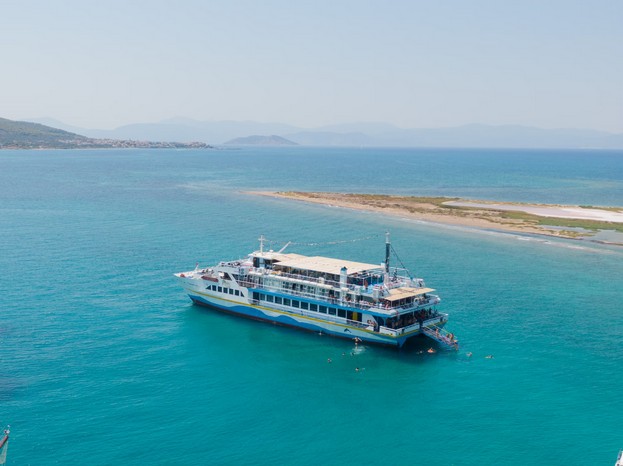
With so many Greece tours to choose from, picking the right one can feel overwhelming. Here’s how we’d break it down.
History buffs should look for mainland-focused plans that put UNESCO sites and deep ancient history first. Rick Steves’s 14-day Greece tours are solid for this. We’d argue that locally guided options, like what we offer through My Greece Tours, give a more personal, flexible trip.
Luxury seekers lean toward custom island-hopping packages with boutique hotels and private transfers. Kensington Tours does this well, though the prices reflect the premium.
Foodies should look for tours built around food. Pick ones with cooking classes, market visits, and tastings rather than just restaurant meals.
Active travelers will want sailing, hiking, and snorkeling add-ons built into their trip. They should not be tacked on as afterthoughts.
A few practical tips: aim for 12 to 14 days to cover both mainland and islands without feeling rushed. Check what’s included in your Greece tours.
UNESCO site entry fees, meals, and internal transport can add up quickly if they’re not part of the package. Read reviews on platforms like Tripadvisor and Travelstride for honest traveler feedback.
In the end, the best Greece tours are the ones that match your pace. Some people want every minute scheduled. Others want structure with room to wander.
We’ve helped thousands of people find that balance, and the key is always the same. Be honest about what excites you most, and build your trip around that. Greece is generous enough to reward any approach you take.
Key Takeaways
- Top Greece tours and activities in 2026 range from guided historical tours through the Acropolis and ancient ruins to island-hopping adventures across the Aegean and Ionian Seas.
- Greece offers unmatched diversity with 18 UNESCO World Heritage Sites, world-class beaches, and cultural warmth that keeps travelers returning year after year.
- Hidden gem islands like Milos, Monemvasia, and Trizonia provide equally rewarding experiences as iconic destinations, rewarding travelers willing to venture off the beaten path.
- Culinary tours and authentic food experiences—including cooking classes and market visits—are essential to understanding Greece’s regional flavors and local stories.
- For the best Greece experience, plan 12–14 days to explore both mainland and islands without rushing, and choose tours that align with your travel style whether you prioritize history, luxury, food, or outdoor adventure.
Frequently Asked Questions About Greece Tours and Activities
What are the best Greece tours for history enthusiasts?
History buffs should pick mainland-focused plans with UNESCO World Heritage Sites like the Acropolis, Mycenae, Meteora, and Epidaurus. Rick Steves’ 14-day Greece tours offer structured, in-depth visits to ancient sites. Locally guided options through providers like My Greece Tours are more intimate and flexible. Their expert guides live and breathe this history daily.
How long should I plan for a Greece tour to experience both mainland and islands?
We suggest planning 12 to 14 days for Greece tours that cover both mainland ancient sites and the islands without feeling rushed. You can explore Athens and ruins like Delphi and Meteora, then go island hopping across the Aegean or Ionian Seas. The result is a balanced and rewarding trip.
Which hidden gem islands in Greece offer authentic experiences away from crowds?
On Greece tours, go beyond the famous Santorini and Mykonos to the Mani Peninsula’s stone tower villages and Monemvasia’s medieval fortress town. Also visit Nafplio’s charming harbor and tiny Trizonia in the Gulf of Corinth. Milos, with dramatic coastal scenery at Kleftiko, rewards travelers willing to venture off the beaten path.
What types of culinary experiences are included in Greek food tours?
Greece tours with food activities offer Athens food market walks and cooking demonstrations of classic dishes like moussaka. You can join olive oil and wine tastings with local producers in the Peloponnese or Crete. Folk music dinners feature live rebetiko. These tours connect you directly with Greek food traditions and regional flavors.
Can I combine sailing and hiking in a single Greece tour?
Yes, you can. Many companies that run Greece tours offer adventure plans that mix sailing through the Cyclades or Ionian islands with hiking. Hikes include the Mount Parnassus trails and Crete’s Samaria Gorge. The Ionian islands are ideal for sailing beginners because of calmer winds, and coastal ferry rides add to the adventure.
What should I look for when choosing a Greece tour operator?
When you compare Greece tours, match the company to your travel style. Rick Steves suits structured history tours, and Kensington Tours suits luxury custom packages. Locally guided providers like My Greece Tours offer flexible, expert-led trips.
Check what’s included, such as UNESCO site fees, meals, and transport. Read Tripadvisor and Travelstride reviews. Make sure the pace suits you, from scheduled activities to free exploring.
Which activities can you add to Greece tours?
Greece tours can add cooking classes, hikes, kayaking, diving, sailing, and more. Most take a half day or a full day. You can mix two or three and still have time to rest.
Ten activities worth planning around
This guide covers ten activities, one by one. Popular choices are cooking classes, gorge hikes, sea kayaking and snorkeling. Sailing days, wine tasting, farm visits, cycling and boat trips are popular too.
For each one, you get the fitness level, the best season, the usual length, and what to bring. For a wider view of outdoor options, see this guide to adventure activities in Greece by land, sea, and air.
Match each activity to your fitness
Some activities need no fitness at all, such as cooking classes, wine tastings, and boat trips. Others, like gorge hikes and long bike rides, ask for steady legs and a full day of energy.
Be honest with the tour company when you book. Good guides can often swap a hard hike for an easy walk, so your group stays together and everyone enjoys the day.
Match each activity to the season
Water activities work best from late May to early October. Hiking and cycling are most pleasant in spring and autumn, when days are warm but not hot. Food activities run all year.
If you are not sure when to go, this guide to the best time to visit Greece can help. Our guide to choosing the right Greek tour covers the rest.
Where do Greece tours with activities work best?
The best place depends on the activity you want. Crete suits hikers, the Ionian islands suit paddlers, and Athens suits food lovers. Each place below makes a good base for a few days.
Gorges, trails, and village paths
These places reward walkers. Go in spring or autumn, start early, and carry plenty of water.
- Crete: home to the Samaria Gorge and many shorter gorge walks near the coast
- Amorgos: marked paths link villages, beaches, and a monastery built into a cliff
- Sifnos: a network of footpaths, plus a strong food scene with clay-pot dishes
Caves, kayaks, and boat trips
Calm bays and sea caves make these islands easy for beginners. Most trips leave from small harbors in the morning.
- Kefalonia: a cave lake you tour by boat, plus sea kayaking along quiet coasts
- Zakynthos: boat trips to sea caves and to Shipwreck Beach, which you can only reach by water
- Antiparos: a big cave full of stalactites, and quiet beaches nearby
Sailing, snorkeling, and diving bases
Pick one of these when the sea is your main reason for the trip. Each has many boats and dive centers to choose from.
- Santorini: day sails inside the old volcano crater, with a swim stop at the hot springs
- Rhodes: many dive centers, clear water, and calm bays along the east coast
- Lefkada: a main charter base for Ionian sailing, with long beaches and windsurfing at Vasiliki
Easy starts for cycling, cooking, and wine
If you want comfort and variety, begin here. These places have good roads, plenty of classes, and short transfers.
- Athens: cooking classes, food walks, and e-bike tours, all close to the city center
- Kos: a mostly flat island with bike paths around the main town, plus easy snorkeling bays
- Corfu: olive groves, a long walking trail, and sea kayaks along the west coast
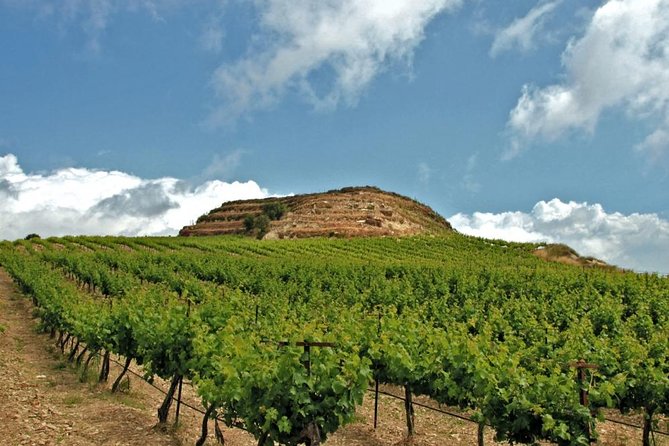


How many days do Greece tours with activities need?
Most Greece tours with activities fit well into 7 to 10 days. That gives you one activity a day and a few easy days. Add more days if you want to reach a second island.
A short trip of 3 to 5 days
Three to five days is enough for one base and two or three activities. Stay in Athens or on one island so you do not lose time on ferries.
A cooking class, a boat day, and one walk make a full and relaxed short trip.
One week for most travelers
Seven days gives you room for four or five activities and two free days. A sample plan is Athens for two days, then an island for four. You can see how that looks in this 7-day Greece itinerary.
Keep one day open for weather. Wind can cancel boats and ferries, and a spare day saves your plans.
Ten days to two weeks for islands and mainland
With ten days or more, you can mix a mainland base with two islands. Add a hike on the mainland, a sailing day on an island, and a wine tasting near the end.
Ferries take time, so group your activities by island. This guide to traveling between Greek islands explains the options. If you like to plan alone, try self-guided Greece itinerary planning.
Are cooking classes on Greece tours good for beginners?
Yes, cooking classes are one of the easiest activities on Greece tours. You need no skills, only an appetite. Most classes end with a shared meal.
Skill level and fitness
No fitness is needed. You stand, chop, and stir, so the class suits kids, older travelers, and anyone with tired feet after sightseeing.
Most chefs teach beginners how to roll dough, shape stuffed vine leaves, and season with herbs. Vegetarian menus are common, because Greek cooking uses so many vegetables and beans.
Best season and typical length
Classes run all year. Summer brings the best tomatoes and peppers, while winter menus lean on greens, beans, and baked dishes.
Expect three to four hours, including the meal. If a market visit comes first, add about an hour. For ideas on what you might cook and eat, read this guide to Greek food to try on tour.
What to bring and what it costs
Bring closed shoes, since kitchens get hot and busy. Tell the host about allergies when you book. Most places supply aprons and tools.
Prices run from about 50 to 120 euros per person, depending on the city and the menu. A market-led class is a fun break on busy Greece tours, and it shows you the local food markets in Greece up close.
Which Greece tours include hiking in gorges and on mountain trails?
Many Greece tours add a gorge walk or a mountain trail, often on Crete, the mainland, and the Cyclades. Fitness needs range from easy to hard. Check the distance and the hours before you book.
Fitness level
Easy walks last one to two hours on gentle paths. A hard day, such as the 16-kilometer Samaria Gorge on Crete, takes five to seven hours. It is mostly downhill, which is tough on the knees.
Know your pace before you choose. If you can walk three hours on a normal day, you can enjoy most guided gorge hikes.
Best season
Spring and autumn are best. Wildflowers bloom in April and May, and the air is cool. In July and August, start at dawn and finish before the midday heat.
The Samaria Gorge usually opens from about May to October. Weather can close it, so check on the day.
Time and what to bring
Plan half a day for a short trail and a full day for a gorge. Carry at least two liters of water, snacks, a hat, sun cream, and shoes with good grip. Add a light jacket for high ground.
For route ideas, see these top hiking trails in Greece. Near Athens, the hiking trails at Cape Sounion make a good half-day walk.
Gentler paths on the islands
The path from Fira to Oia on Santorini is about 10 kilometers and takes three to four hours. On Ikaria, village paths wind through forest and past stone houses.
Is sea kayaking on Greece tours safe for first-timers?
Yes, guided sea kayaking is safe for most first-timers on calm days. You must be able to swim and follow simple rules. Guides check the wind before they leave the beach.
Fitness level
You need light to moderate fitness. Most trips involve two to three hours of easy paddling, and you can share a two-person kayak.
Many companies set a minimum age for children, so ask when you book. Everyone wears a life jacket.
Best season
May to October is the main season. Mornings are usually calmest, because the wind often builds in the afternoon, especially in July and August.
The Ionian side has gentler winds than the Aegean, so it suits beginners well.
Typical length and what to bring
Half-day trips last two to four hours. Full-day trips add a picnic lunch and a swim stop. Prices are often about 50 to 90 euros for a half day.
Bring a swimsuit, a quick-dry shirt, water shoes, a hat with a strap, and sun cream. A waterproof phone pouch is handy. Many paddlers love the beaches found on top beaches in Greece, since some can only be reached by sea.
Kayak with care
Stay away from nesting birds and seals, and take all your trash back with you. Our guide to sustainable travel in Greece has more tips.
What should you know about snorkeling and diving on Greece tours?
Snorkeling is easy and cheap on most Greece tours. Diving needs a licensed center and a short health form. Beginners can try a discovery dive with an instructor.
Fitness level and age
For snorkeling, you must be a confident swimmer. For diving, you fill in a medical form, and some health conditions need a doctor’s note.
Many centers set a minimum age of about 10 for a discovery dive. Always ask before you book.
Best season
The sea is warmest from July to September, often around 24 to 26 degrees Celsius. In May, June, and October, a thin wetsuit keeps you comfortable.
The water is very clear, so even a short swim near a rocky shore can show fish, sea urchins, and sponges.
Typical length and cost
A snorkeling trip lasts one to three hours. A discovery dive takes about half a day, with a short class, a practice session, and 30 to 45 minutes underwater.
Expect roughly 60 to 100 euros for a discovery dive. Boat snorkeling trips often cost about 40 to 80 euros.
What to bring and the rules
Bring a swimsuit, a towel, a rash vest, and reef-safe sun cream. Certified divers should also bring a card and a logbook.
Do not take anything from the seabed, because ancient objects are protected by law. Wait about a day before you fly after diving. For more on staying safe, read these safety tips for Greece tourists.
Is a sailing day worth adding to Greece tours?
Yes, a sailing day is a relaxed way to see the coast on Greece tours. You swim, eat on board, and visit bays that roads do not reach. It suits almost all ages.
Fitness level and who it suits
You need very little fitness. You will climb a ladder to swim and step on and off the boat.
If you get seasick, take a tablet before you leave and sit near the middle of the boat. Fresh air and a view of the horizon help too.
Best season
May to October works for most trips. June and September are mild and quiet. In July and August, the strong north wind called the meltemi can make the Aegean rough.
On windy days, choose the Ionian islands or the Saronic Gulf near Athens. They are usually gentler.
Typical length and cost
A half-day trip lasts three to four hours. A full day lasts six to eight hours and often includes lunch and swim stops. A shared catamaran day costs roughly 70 to 150 euros per person.
Private boats cost much more but give you your own pace. Read how it all works in this guide to sailing holidays in Greece.
What to bring and where to go
Bring sun cream, a hat, sunglasses with a strap, soft-soled shoes, a swimsuit, a towel, and a light jacket for the wind. A soft bag stores better than a hard suitcase.
Good choices include Santorini sailing tours and the Athens Riviera catamaran tour.
How do wine tasting and olive-oil farm visits fit into Greece tours?
Both fit easily into one day on Greece tours. Plan one tasting visit, then enjoy a long lunch. Neither asks for much fitness.
Wine tasting: level, season, and length
You need almost no fitness, though cellars often have steps. Wineries welcome visitors all year, and harvest in September is lively and busy.
A tasting at one winery lasts one to two hours. A full wine route lasts five to eight hours with lunch. A tasting often costs about 15 to 50 euros.
Olive-oil farm visits: level, season, and length
Walking between trees is easy, but the ground can be uneven. The harvest runs roughly from October to January, and spring brings flowers to the trees.
A visit lasts one and a half to three hours and often ends with bread and oil. Expect about 20 to 60 euros per person.
What to bring and how to taste
Wear closed shoes and a hat. Do not drive after a tasting, so arrange a driver or a group transfer. Bring a cool bag if you plan to buy bottles.
To taste olive oil, warm the cup in your hand, smell it, and take a small sip. A peppery tickle in the throat is a good sign.
Where to go
Wine lovers can start with this guide to popular wine regions in Greece. Santorini is known for the white Assyrtiko grape, and Samos is known for sweet Muscat wine.
For olives, try Crete, Corfu, or the big olive grove in the valley below Delphi.
Can you ride bikes or horses on Greece tours?
Yes, you can do both on Greece tours. Bikes suit flat coasts and quiet villages, while horses suit beaches and hills. Both need a guide who knows local roads and trails.
Cycling: fitness and season
Greece is hilly, so fitness matters. Flat island roads and e-bikes make cycling easy for most people. Road cycling in the hills is much harder.
Spring and autumn are best. In summer, ride early in the morning and rest in the shade at midday.
Cycling: length and what to bring
City tours last two to three hours. Half-day rides last about four hours, and full days last six to eight. A basic rental costs roughly 15 to 25 euros a day, and an e-bike about 30 to 60.
Bring a helmet if the shop does not supply one, plus water, sunglasses, and sun cream. See this guide to cycling routes in Greece for ideas by region and skill level.
Horse riding: fitness and season
You need low to moderate fitness. Your legs may ache after the first ride. Most stables have a weight limit, so ask first.
Spring and autumn are comfortable. In summer, choose a ride at sunrise or sunset.
Horse riding: length and what to bring
Short rides last one to two hours, and treks last three to four hours. Wear long trousers and closed shoes, and bring water and sun cream. Helmets are usually supplied.
Tell the guide how much you have ridden before. Many rides pass through quiet places like those in traditional Greek villages to visit.
What do cave and boat trips add to Greece tours?
Cave and boat trips add shade, cool air, and a break from walking. They are some of the easiest activities on Greece tours. Most suit all ages.
Fitness level and who it suits
Expect steps, low roofs, and wet floors. You need to manage stairs, but no special fitness is required.
If tight spaces worry you, ask about the size of the cave before you book. Boat trips are easy for almost everyone.
Best season and typical length
Boats run best from May to October, when the sea is calm. Caves stay cool all year, often around 15 to 18 degrees Celsius.
A cave visit takes 30 to 60 minutes. Boat trips last from two to eight hours, depending on how many stops you make.
What to bring
Bring a light jacket, shoes with good grip, a swimsuit, a towel, and water. A waterproof pouch protects your phone on small boats.
Do not touch cave walls or formations, because the oils on your skin harm them.
Where to start
Many visitors begin with a day boat from Athens. This practical guide to Greece boat tours from Athens lists the options. For wild coast and wildlife, see the best nature reserves to visit in Greece.
How do you plan the right mix of activities on Greece tours?
Plan one active day for every two sightseeing days, and keep the hardest activity for the middle of the trip. This mix keeps energy high and avoids sore legs on arrival. Mixing styles also makes Greece tours feel fresh from start to end.
Match the activity to the season
Spring and autumn suit hiking and cycling, because the air is cool and the paths are quiet. Summer suits swimming, snorkeling and sailing, but the heat makes long walks harder after midday. Winter suits cooking classes, museums and food routes. The best time to visit Greece guide shows which months fit each activity.
Match the activity to the group
Ask each person what they want before booking. A teenager may want kayaking, while a grandparent may prefer a long lunch with a view. Good Greece tours let a group split for one afternoon and meet again at dinner. Small groups make this easy, and private tours in Greece make it simple.
What gear and fitness do you need for active Greece tours?
Most activities need comfortable shoes, a hat, sunscreen, a refillable water bottle and a light daypack. Basic walking fitness is enough for nearly all Greece tours. Harder trips, such as a long gorge hike, ask for a little more stamina.
Footwear and clothing
Choose shoes with a good grip, since polished stone and loose gravel are common at ancient sites and on trails. Pack light layers, because mornings can feel cool even in summer. A swimsuit, a quick-dry towel and water shoes cover most sea days. These tips for packing light for Greek island tours help keep the bag small.
Health and safety basics
Drink water often, eat before long walks and take shade breaks at midday. Tell your guide about any health issue before the day begins. Pharmacies are easy to find in towns, and guides carry a basic first-aid kit. For wider advice, see these safety tips for Greece tourists.
Which Greece tours combine history with activities?
Walking tours of ancient sites, cycling between villages and boat trips to coastal ruins all mix history with movement. These are the best Greece tours for people who dislike sitting on a coach all day. They also give a closer feel for each place.
Walking and cycling routes
City walks in Athens cover the old streets, the Agora and the hills with short, easy climbs. Outside the capital, flat routes on islands like Kos suit casual riders, and hill roads in Pelion suit strong cyclists. This guide to Greece walking tours explains which routes need a guide.
Sea trips to ancient places
Some ruins are best reached by water. A half-day boat trip along the Athens coast can end at a cliff-top temple at sunset. This Cape Sounion sunset half-day trip shows how a short sea and land day can work.
How do you book activities on Greece tours without stress?
Book popular activities, such as cooking classes and boat days, one to three months ahead in summer. Quiet months need only a few days of notice. Always confirm the meeting point, the start time and the cancellation rules in writing.
Questions to ask before booking
Ask how many people join, what the guide’s license covers and what is included in the price. Check whether food, drinks, equipment and transfers are part of the fee. Ask what happens if the sea is rough or the weather turns bad. Clear answers are a sign of a careful operator.
Saving money on activities
Combine activities into one package when you can, since many operators offer a lower price for two or three days together. Travel in May, June or September for lower prices. These budget tips for Greece visitors list more ways to save on Greece tours.
How can families and older travelers enjoy activities on Greece tours?
Families and older travelers do best with short, gentle activities, a clear shade plan and plenty of breaks. Pick one main activity a day and leave the rest free. Everyone enjoys the trip more when the pace is calm.
Gentle choices for every age
Cooking classes, olive-oil mills, short boat rides and easy coastal walks suit almost everyone. Children often love snorkeling in a calm bay or feeding fish from a quiet pier. Older travelers enjoy slow village walks and long lunches with sea views. This page of family-friendly Greece travel tips covers hotels, food and timing.
Making trips comfortable
Ask for hotels with lifts or ground-floor rooms and for drivers who can stop close to sites. Many guides adjust the route if someone tires, so say so early. This guide to the best Greek islands for over-50s helps with comfortable choices.
Which islands suit activity-led Greece tours best?
Crete, the Cyclades and the Ionian Islands suit activity-led Greece tours best, because each offers sea, trails and small villages in one place. Pick one island group and stay at least three nights. Moving less leaves more time for the activities themselves.
Islands for walking and trails
Crete has deep gorges and mountain paths, while Syros and Ios offer short coastal walks between small towns. Walkers who like quiet will enjoy Kythira, which has waterfalls and stone villages. Plan a morning start, carry plenty of water and finish by early afternoon in summer.
Islands for water sports
Calm bays make snorkeling and kayaking easy on Symi and around the smaller Cyclades. Windy straits are better for experienced sailors than beginners. Ask your guide which side of an island is sheltered that day. This guide to Greek island hopping explains how to link islands without wasting days.
How do food and rest days fit between activities on Greece tours?
Put one slow meal or one free afternoon after every big activity. A long lunch is part of the experience, not lost time. Good Greece tours plan rest on purpose.
Make meals part of the day
Many activities end at a small taverna, where the group shares grilled fish, salads, cheese and local wine. Cooking classes often finish with the meal you just prepared. Try the dishes in this Athens street food guide on city days, and save the big seaside meal for island days.
Use rest days well
A free day is the best moment for a beach swim, a museum visit or a walk through a quiet town. Many travelers also use it for photos, and these photography tips for Greece tours help with light and angles. Sunset is a lovely finish, and this list of the best sunset spots in Greece shows where to go.
What mistakes should you avoid when adding activities to Greece tours?
The most common mistakes are packing too many activities into one day, ignoring the midday heat and booking without checking the sea conditions. Slow, simple plans work best. A calm schedule also gives space for surprises.
Overbooking and heat
New visitors often try a morning hike, an afternoon sail and a night tour in one day. They end the trip tired and unhappy. Plan one main activity per day and keep summer afternoons for shade or the sea.
Weather and flexibility
Strong summer winds can cancel boat trips, so keep one spare day in each island stop. Check ferry timing with care, using these tips for ferry travel in Greece. A flexible plan protects both your budget and your mood.
Common questions about Greece tours and activities
Here are quick answers to the questions we hear most. They cover cost, fitness, timing, safety, and packing.
How much do activities cost on Greece tours?
Most activities cost between about 40 and 150 euros per person. Private trips cost more. Ask what is included, such as food, gear, and transfers.
Do you need to be fit for Greece tours with activities?
No, many activities need very little fitness. Cooking, wine tasting, and boat trips are easy choices. Hard hikes and long rides are always optional.
When should you book activities on Greece tours?
In July and August, book popular activities a few weeks ahead. In spring and autumn, a few days is often enough. Sailing and diving fill up first.
Are water activities on Greece tours safe for non-swimmers?
Boat trips and sailing days are fine for non-swimmers who wear a life jacket. Kayaking and snorkeling need basic swimming skills. Tell your guide before you start.
What should you pack for Greece tours with activities?
Pack a hat, sun cream, a water bottle, grippy shoes, a swimsuit, and a light jacket. Add quick-dry clothes for water days. This guide to packing light for Greek island tours helps.
Can children join activities on Greece tours?
Yes, many activities welcome children. Cooking classes, boat trips, and easy walks suit most ages. Always ask about minimum ages and weight limits.